Product Engineering
Product Conceptualisation & Development
Most failed products were built well and aimed wrong. We test the idea before engineering money goes in: who has the problem, what they do about it today, whether the numbers work, and whether it can be built. Then we design, prototype and build what the evidence supports. Sometimes the evidence says stop, and that is a result too.
HOW IT RUNS
From idea to launch, in four phases
Four phases, from idea to launch. The first can end with "don't build", and it is designed to.
Discovery & Validation
Assumptions meet evidence here. We define the problem, the audience and the economics, interview real users, and check technical feasibility. The phase ends with a recommendation: build, change course, defer or stop.
DELIVERABLES
- Problem and audience definition
- User interview findings, with method
- Competitive and market analysis
- Technical feasibility assessment
- Pricing and unit-economics check
- Build, defer or stop recommendation
What We Build
Product development services, built on evidence
End to end, or from wherever your idea already stands. Most engagements start with research and prototyping, then extend as the roadmap firms up.
Market & Feasibility Research
Competitor mapping, user interviews and technical feasibility, so an idea is tested before a development budget is committed to it.
Prototyping & MVP Development
Clickable prototypes and lean MVPs that put the concept in front of real users before a full-scale build.
Product Roadmap & Feature Planning
A roadmap ranked by user and business impact, with its reasoning written down, so priorities survive the next loud request.
Full-Stack Development & Architecture
Front end, back end and infrastructure built for launch-day load and planned for the scale that comes after.
User-Centric Design Integration
UX research and design running alongside engineering, so usability is designed in rather than patched after launch.
Product Strategy & Economics
Pricing model, go-to-market path and unit economics checked alongside the UX, because a usable product nobody pays for still fails.
Our Methodology
Evidence first, engineering second
Validation runs through discovery, prototyping and the roadmap. It decides what gets built, and whether anything should be.
Demand Tested, Not Assumed
Users are interviewed and observed before engineering hours are committed. The method and the sample are written down, so the evidence can be checked.
Feasibility Named Early
Integration limits, data constraints and technical risks surface during discovery, not halfway through a sprint.
Feedback Changes the Plan
Each phase ends with user feedback that shapes the next one. A feature that tests badly changes the following sprint.
Roadmap Discipline
Features are ranked by user and business impact, not by who asked loudest. Each new request has to beat what's already planned.
Engineering Practice
Product development engineered for life after launch
Decisions made at the concept stage are the hardest to undo, and the most expensive to get wrong once the product is live.
Outputs any team can use. Research, designs and architecture are documented so the build can go to us, to your team or to another partner.
Modular Architecture
Components designed from the roadmap stage, so features validated after launch slot in without reworking what exists.
Code Quality Standards
Code reviewed, documented and tested as it's written, so the first version doesn't become the first rewrite.
Documentation
Research findings, roadmap decisions and architecture choices recorded with the reasons behind them.
Security by Design
Authentication, data handling and access control scoped while changes are still cheap to make.
Performance Benchmarking
Load tests based on the usage patterns that research predicts, so performance holds when demand arrives.
Compliance Readiness
For regulated industries, obligations are part of the feasibility study, not a surprise in a pre-launch audit.
Technology Stack
Technologies we build products with
No fixed stack. Front-end, back-end, mobile and cloud choices follow what the product must do and how far it must scale.
React / Next.js
Web-first products with rich interfaces, and pages that need to rank in search.
Vercel or Node backendReact Native / Flutter
A shared codebase for both mobile platforms, dropping to native code where speed matters.
App Store · Play StoreNode.js / Python
Services, live features, data jobs and partner connections.
AWS · Azure · GCPPostgreSQL / MongoDB
Relational or document data, chosen by how the product reads and writes.
Managed cloud or self-hostedStandard, well-supported tools. Any capable team can pick up where the last one left off.
Cloud & DevOps
 Docker
 Kubernetes
Testing & QA
CI/CD
 GitHub
 Actions
 Jenkins
Where It Breaks
Why new products fail before they find a market
Skipped discovery is the quiet common factor. Failed products tend to share one root cause: an early decision nobody tested against users, numbers or technology.
Building on Belief
Scope reflects the team's convictions rather than users' behaviour. Launch tells a different story, and the rebuild costs more than validation would have.
Feature Creep
A lean scope grows one stakeholder request at a time, and the launch date ends up chasing a moving target.
Design Ahead of Feasibility
Polished mockups are approved before anyone checks the architecture can support them. Engineering then compromises the design or starts again.
Why Us
How we take ideas to market
You can tell within the discovery phase, long before any code.
01
Discovery With a Defined Output
The discovery phase is scoped up front: what gets evaluated, by what method, and what you hold at the end.
02
"Don't Build" Is an Answer
If the evidence says stop, defer or buy instead, that is the recommendation. A product that shouldn't exist is cheapest to stop early.
03
Evidence at Each Gate
Feedback from one phase reshapes the next, mid-project, not only at a single review gate.
04
Portable Outputs
Research, designs and architecture are documented so any team can build from them, including yours.
Vertical Focus
Product development where a wrong bet is expensive
Industries where launching the wrong product costs far more than testing the idea first.
Patient-first products

- Patient intake and scheduling flows
- Health-data handling designed in from discovery
- Clinical workflow integrations
- Telehealth and remote monitoring interfaces
Financial products built around regulation

- Onboarding and KYC flows
- Fraud detection and alert interfaces
- Reporting and audit-trail systems
- Investment and portfolio dashboards
Vehicle and fleet products
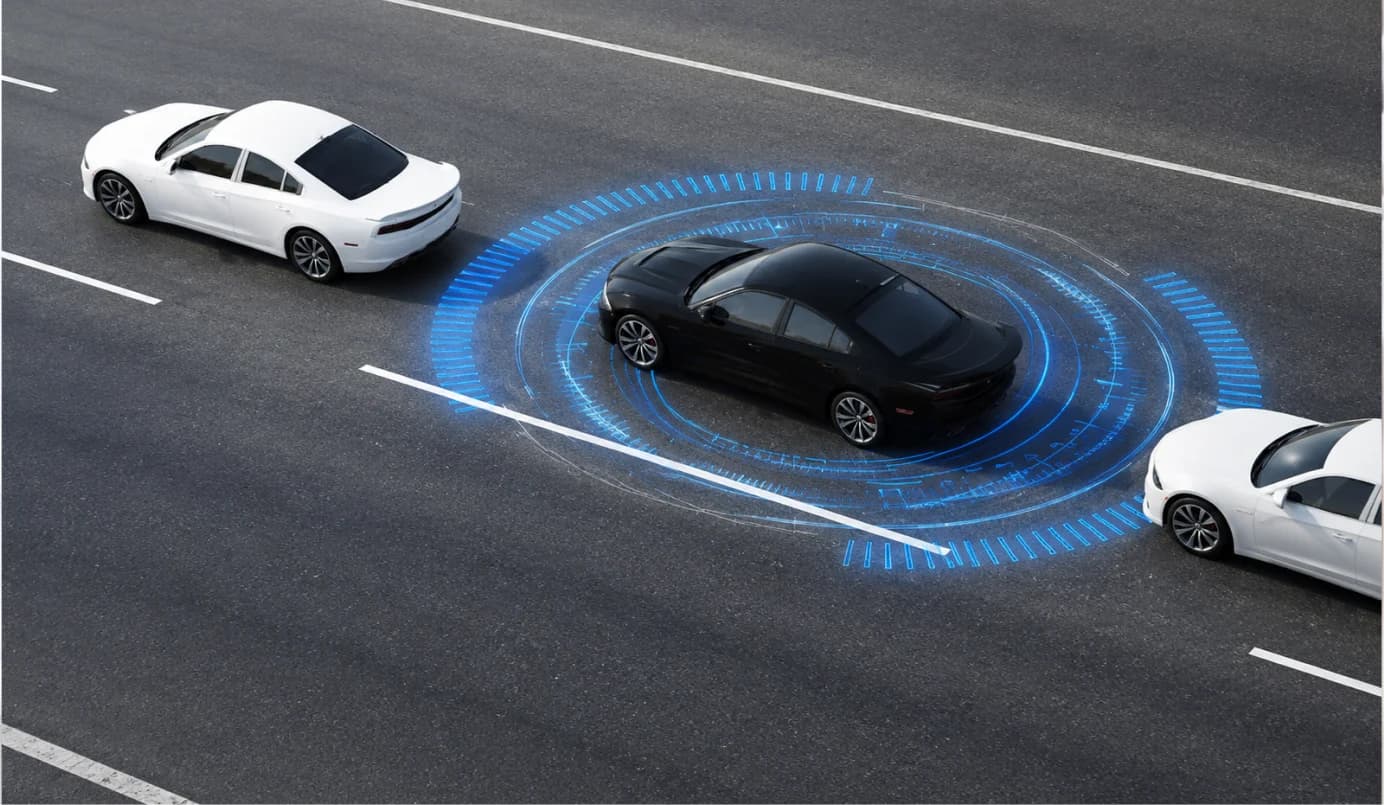
- Diagnostics and telematics dashboards
- Fleet management and route optimisation
- Dealer and service booking platforms
- Parts inventory and supply-chain tracking
Products for real plant operations

- Production and quality monitoring dashboards
- Inventory and supply-chain tracking
- Dispatch scheduling and visibility tools
- Predictive maintenance interfaces
Products for field conditions

- Field data collection for remote teams
- Crop and yield monitoring dashboards
- Offline-first interfaces for weak connectivity
- Seasonal resource planning tools
Commerce products built around real behaviour

- Product discovery and recommendation flows
- Checkout and payment integrations
- Inventory and order management dashboards
- Loyalty and personalisation engines
FAQs
Product discovery and development, answered
It is the work of testing and defining a product idea - problem, audience, economics, feasibility, roadmap - before development starts. It exists as its own engagement because the cheapest time to change a product is before it exists.
That depends on how much is already known and how complex the product is. Discovery ends with a roadmap that states what each next phase delivers, and how confident its estimates are.
No. Discovery outputs are documented so any team can build from them: yours, ours or another partner's.
Regular access to a decision-maker and to the people who know your customers. Stakeholder availability sets the pace more than anything else, so it is planned at the start.
Healthcare, banking and insurance, automotive, manufacturing, AgTech and retail, as well as general SaaS and mobile products.
Then you've saved the build budget. The recommendation may be to stop, defer, narrow the scope or buy an existing product, and it comes with the evidence behind it.

Ready to test the idea
before you build it?
Describe the idea, however rough. We'll test the problem, the users, the economics and the feasibility, and come back with a clear recommendation and a roadmap before any development budget is committed.
Have a project in mind?
Bring the problem. The first call is about specifics, not slides.